Why Hormone-Free Menopause Gummies Are Gaining Popularity Among Women
A Personal Shift in How We Approach Menopause
When I first started experiencing the early signs of menopause, I felt like my body had become a stranger. The hot flashes came without warning, my sleep patterns unraveled, and I found myself snapping at loved ones for no reason. Like many women, I turned to supplements for relief, but I was wary of anything that introduced additional hormones into my system. That is when I discovered a category of products that felt genuinely aligned with what I needed: hormone-free menopause gummies.
This is not just a trend. More women are seeking non-hormonal options for managing menopause symptoms, and the market has responded with thoughtful formulations. These gummies combine nutrients and botanicals that support the body's own processes rather than overriding them. For anyone who prefers to avoid hormone therapy, this approach offers a gentler path through the transition.
Understanding the Non-Hormonal Approach
Menopause marks the end of a woman's reproductive years, and with it comes a dramatic drop in estrogen and progesterone. Many conventional treatments replace those lost hormones, which works well for some but carries risks for others, especially those with a history of certain cancers or blood clotting issues. Non-hormonal supplements take a different route. They provide the building blocks and cofactors that help the body adapt to lower hormone levels, support the nervous system, and manage symptoms like hot flashes and night sweats.
Hormone-free menopause gummies are a convenient delivery system for these ingredients. Instead of swallowing pills or mixing powders, you get a tasty, pre-measured dose that fits easily into a morning routine. I have found that consistency matters a lot with supplements, and a format I actually look forward to taking makes a real difference.

Key Ingredients That Make a Difference
Not all non-hormonal supplements are created equal. The best ones rely on a foundation of well-researched compounds. Here are some of the most common and effective ones you will find in quality products.
Ashwagandha and Magnesium Glycinate for Stress and Sleep
Sleep disruption is one of the most frustrating menopause symptoms. Ashwagandha, an adaptogenic herb, helps regulate the body's stress response by lowering cortisol levels. When paired with magnesium glycinate, which supports GABA receptors and muscle relaxation, the combination can promote deeper, more restful sleep. I have personally found that taking these together in the evening helps me fall asleep faster and wake up less often during the night.
Vitamin D3 and Calcium for Bone Health
As estrogen declines, bone density becomes a concern. Vitamin D3 is critical for calcium absorption, and many women are deficient in it. While vitamin D3 alone is not a menopause symptom reliever, it is an essential part of any comprehensive supplement stack for women over 40. Some hormone-free menopause gummies include it alongside other nutrients, making it easier to cover multiple bases at once.
Botanicals: Black Cohosh, Red Clover, and Macafemin
Black cohosh has a long history in traditional medicine for managing hot flashes. Red clover contains isoflavones that mimic estrogen activity in a mild way, often called phytoestrogens. Macafemin is a newer, patented extract from the maca root that has shown promise in balancing mood and energy. These botanicals are common in non-hormonal formulas because they work with the body's own signaling rather than flooding it with exogenous hormones.
What About CBD and Melatonin?
You will also see CBD and melatonin in some menopause gummies, especially those marketed for sleep. Melatonin is a hormone, so technically it is not hormone-free, but it is a different category from estrogen or progesterone. CBD, on the other hand, is non-hormonal and interacts with the endocannabinoid system to promote calm and reduce pain. Both can be helpful, but they are not always included in hormone-free menopause gummies because some women prefer to avoid melatonin entirely or live in regions where CBD is regulated differently. Always check the label if these matter to you.
How to Choose a Quality Supplement
With so many options on the market, it pays to be selective. Here are a few criteria I rely on when evaluating any supplement for my own use.
- Look for third-party testing. A seal from USP, NSF, or ConsumerLab means the product contains what it says and is free from contaminants.
- Check for allergens. Many women develop sensitivities during menopause. Soy-free and gluten-free labels are important if you have intolerances.
- Verify that it is vegan. Gelatin-based gummies are common, but a growing number of brands now use pectin or plant-based alternatives. Vegan gummies align with a cleaner lifestyle and avoid animal-derived hormones.
- Read the dosage. Some gummies contain only trace amounts of active ingredients. Make sure the dose matches what research suggests is effective.
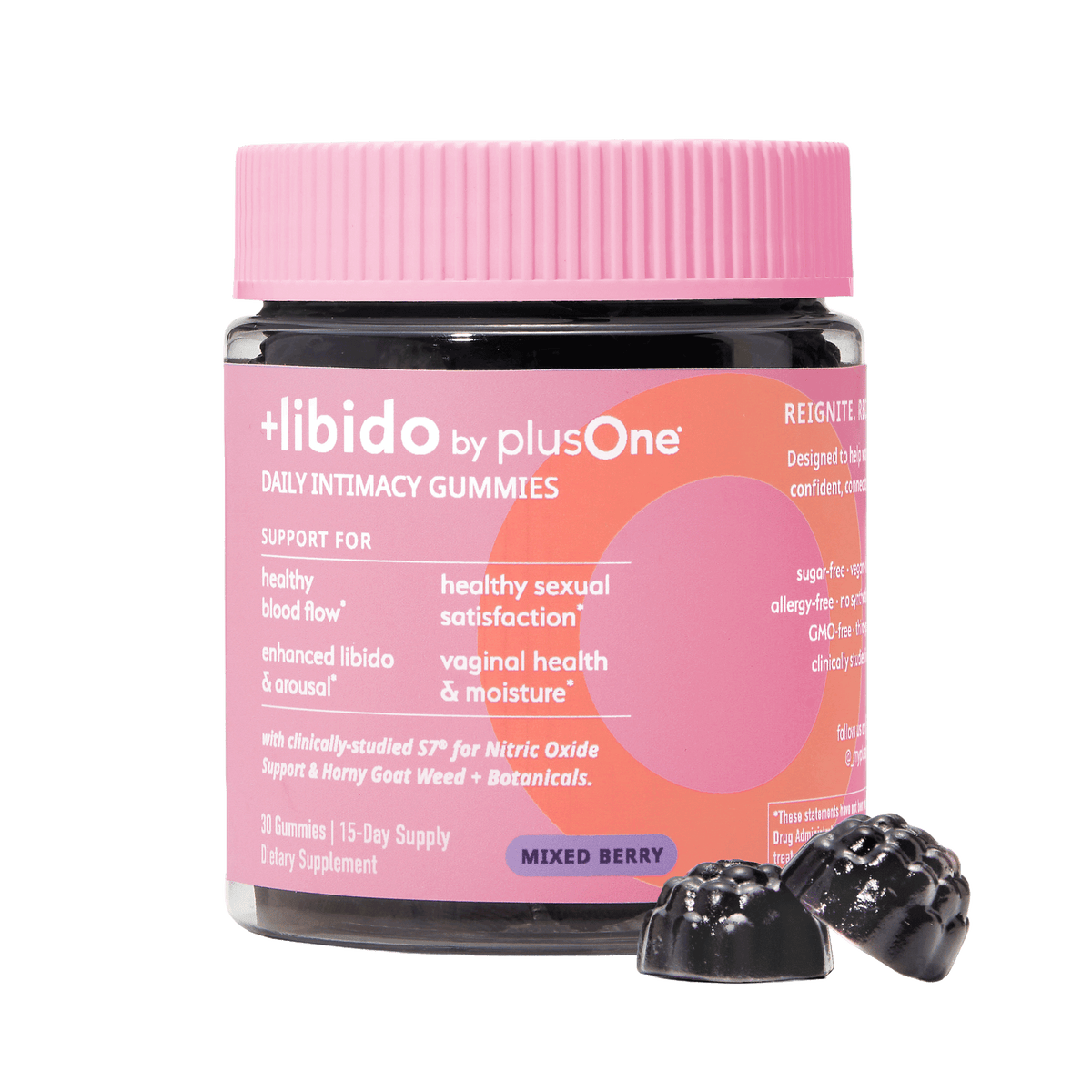
- Consider the brand's reputation. A wellness brand like MyPlusOne, which focuses specifically on non-hormonal, vegan, and allergy-free daily supplements for intimate health, sleep, and menopause, is a good example of a company that tailors its products to the exact needs of women in this stage of life.
Integrating Gummies Into Your Routine
I have found that taking supplements consistently is easier when I pair them with an existing habit. For me, that means keeping the bottle next to my coffee maker. In the morning, I take a gummy that supports energy and mood. In the evening, I use a sleep gummy that contains ashwagandha and magnesium glycinate. This two-step system covers my needs without requiring a complicated schedule.
Some women prefer an all-in-one formula that combines daytime and nighttime support into a single product. Hormone-free menopause gummies that include both adaptogens and sleep aids can work well for that purpose, though you may need to adjust the timing if the formula contains ingredients that promote drowsiness.
The Role of Diet and Lifestyle
No supplement can replace a healthy diet and regular exercise, but the right ones can fill gaps that food alone cannot cover. Menopause increases the need for certain nutrients, and even a well-planned diet may fall short. For example, vitamin D3 is hard to get from food in adequate amounts, especially if you live in a northern climate. Magnesium glycinate is another nutrient that many women lack, and supplementing it can help with cramps, sleep, and mood.
I also recommend paying attention to protein intake. While not directly related to gummies, protein supports muscle mass, which tends to decline during menopause. Pairing your supplement routine with a protein-rich breakfast can amplify the benefits.
Realistic Expectations and Patience
One thing I learned the hard way is that supplements are not instant fixes. It can take several weeks of consistent use before you notice a difference in hot flashes, night sweats, or sleep quality. I made the mistake of switching products too quickly, never giving any one formula a fair trial. Once I committed to a routine for at least two months, I started to see real improvements.
For women who are sensitive to caffeine or stimulants, be mindful of gummies that include green tea extract or other energizing botanicals. Even natural ingredients can cause jitters if you are not used to them. Start with a half dose if you are unsure.

Final Thoughts on Navigating Menopause Naturally
Menopause is not a disease. It is a natural transition, and our bodies are capable of adapting. That does not mean we have to suffer through the symptoms. Non-hormonal supplements offer a way to ease the journey without introducing synthetic hormones. Whether you choose hormone-free menopause gummies or another format, the key is to find a product that aligns with your values, your health history, and your lifestyle.
The market for these products is growing, and that is a good thing. More options mean more women can find something that works for them. I encourage you to do your research, talk to your healthcare provider, and listen to your body. The right supplement can make a meaningful difference in how you feel day to day, and that is worth pursuing.